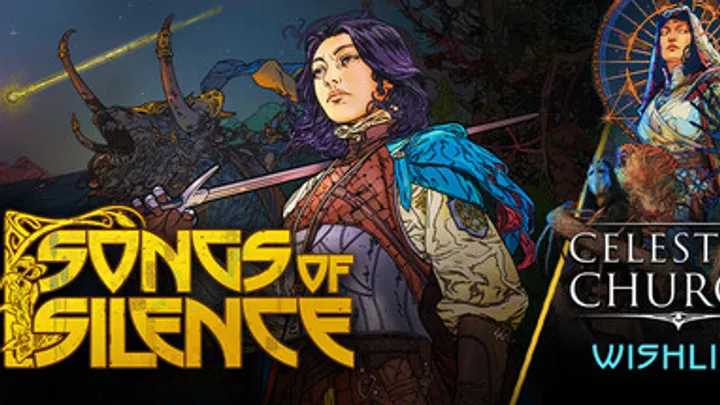


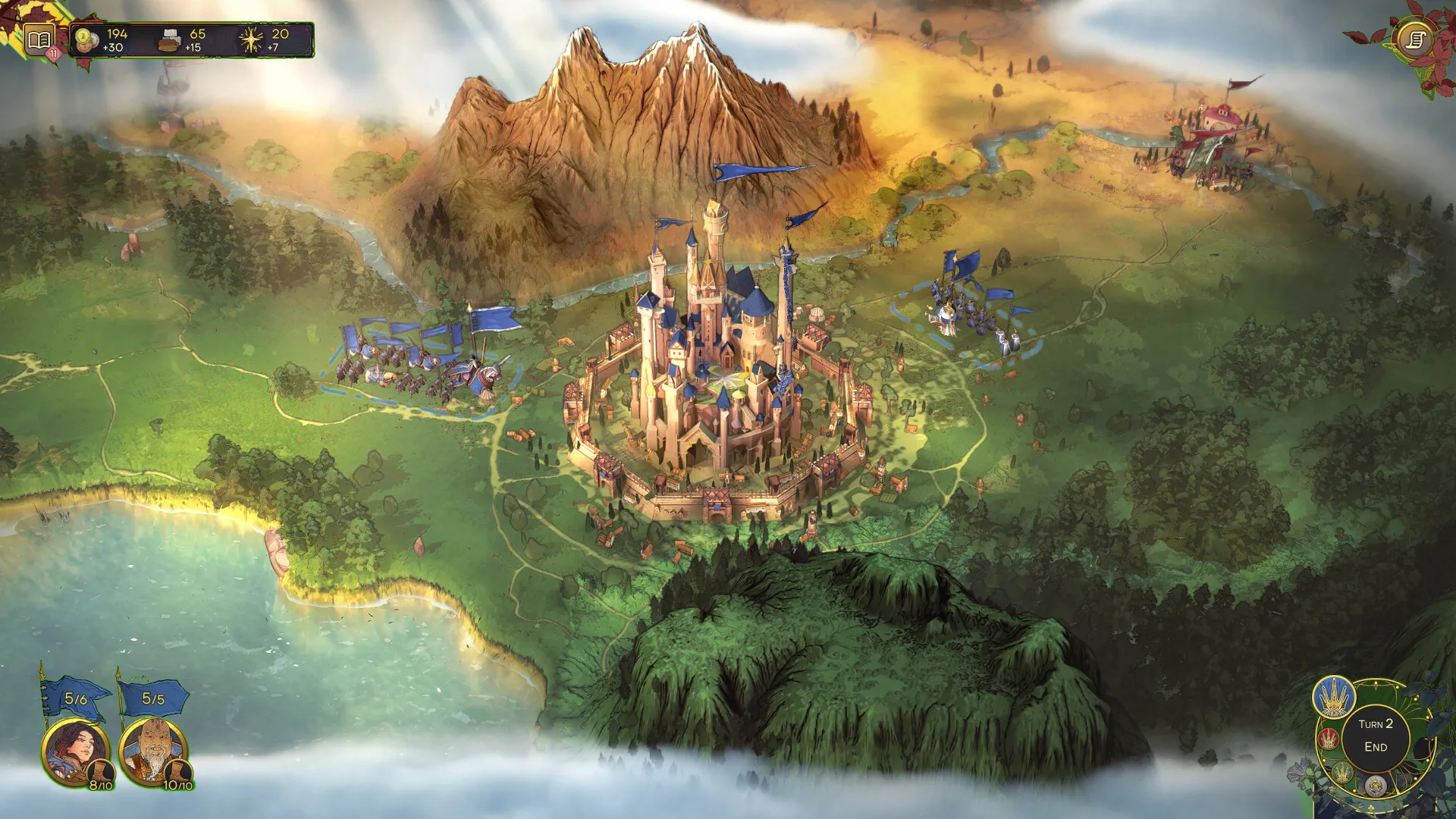
Songs of Silence is a unique strategy game that blends turn-based kingdom management, real-time battles, and a strong narrative atmosphere shaped by a collapsing world. Unlike traditional 4X or RTS titles, the game emphasizes meaningful decisions, limited resources, and tactical positioning rather than endless expansion.
This guide is designed to help players understand the game’s core systems, make better strategic decisions, and avoid common mistakes. Whether you are new to the genre or an experienced strategist, these tips will help you survive longer, fight smarter, and lead your faction more effectively.
1. Understanding the Core Gameplay Loop
Strategy Meets Real-Time Combat
Songs of Silence alternates between strategic map management and real-time battlefield encounters.
Your decisions on the world map directly affect how battles unfold.
Limited Expansion Philosophy
Unlike classic empire builders, expansion is constrained.
Every city and army must justify its upkeep and value.
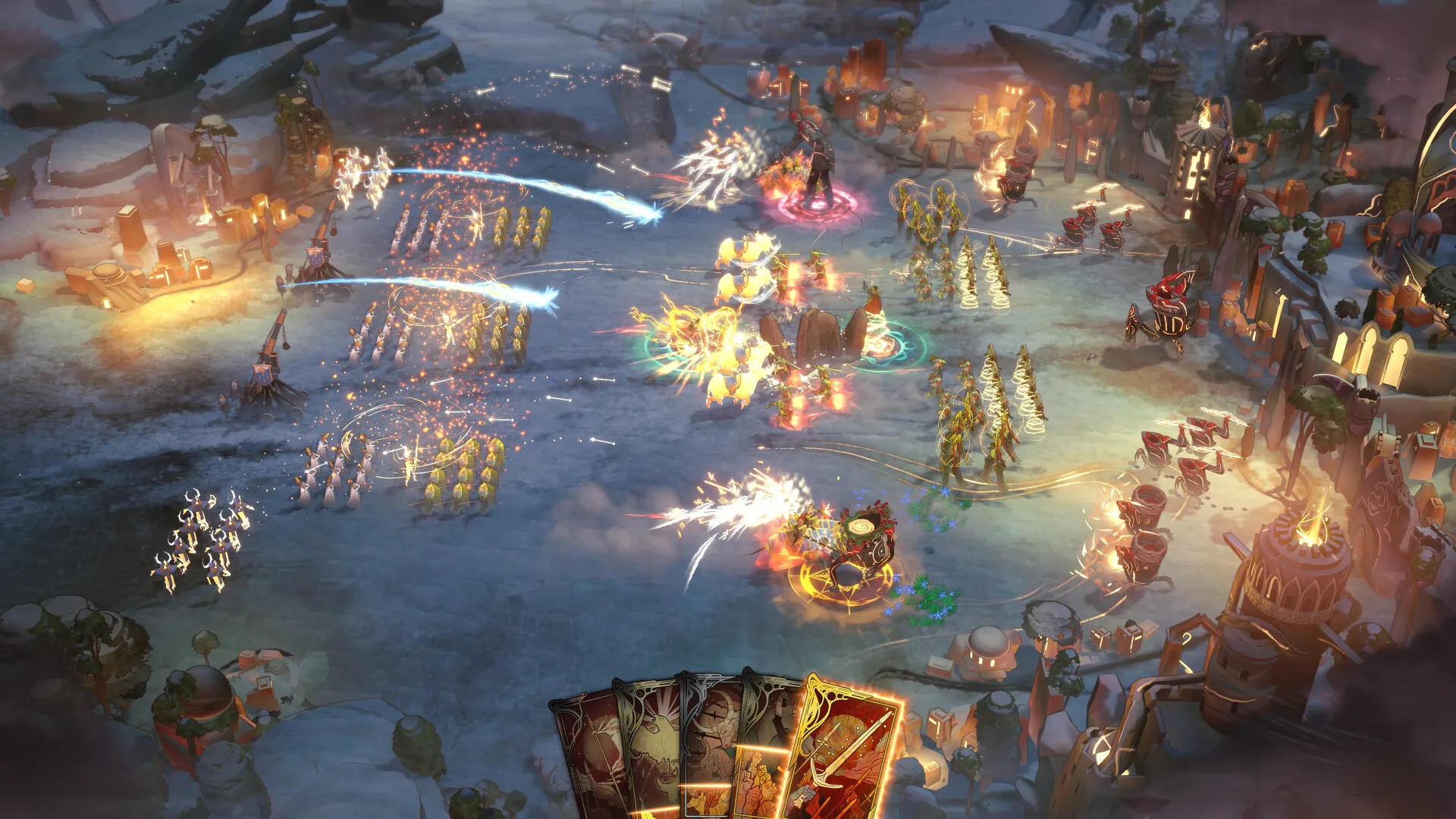
2. Choosing the Right Faction and Leader
Faction Strengths and Weaknesses
Each faction excels in different areas such as economy, mobility, or combat power.
Understanding these strengths helps shape your overall strategy.
Leader Abilities and Playstyle
Leaders define how armies function in battle.
Choosing a leader that matches your preferred style is critical.
3. Early Game Priorities and Setup
Securing Core Resources
Early turns should focus on stabilizing income and supply.
Overextending early leads to economic collapse.
Scouting the Map
Fog of war hides both opportunities and threats.
Early scouting prevents unpleasant surprises.
4. Army Composition and Unit Synergy
Balanced Army Design
Mixing frontline units, ranged support, and utility troops is essential.
Single-type armies are easy to counter.
Understanding Unit Roles
Each unit serves a clear battlefield function.
Learning these roles improves positioning and survival.
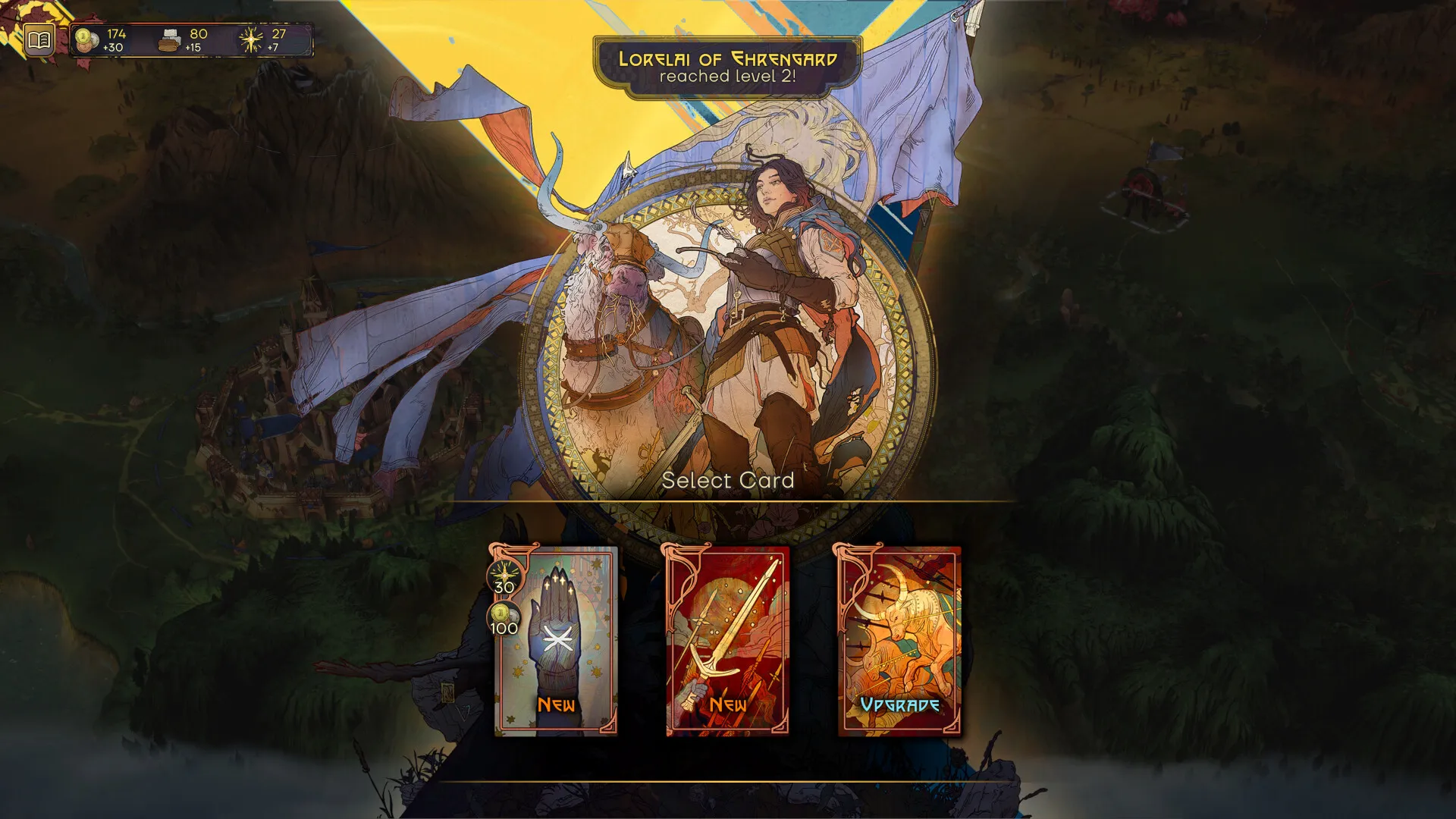
5. Real-Time Battle Tactics and Positioning
Terrain Awareness
High ground, chokepoints, and obstacles matter greatly.
Terrain advantages often decide battles before they begin.
Timing Abilities and Engagements
Charging in without preparation is risky.
Waiting for the right moment maximizes damage and minimizes losses.
6. Managing Cities and Economy
City Specialization
Not all cities should serve the same purpose.
Some excel at production, others at recruitment or research.
Avoiding Economic Overload
More cities mean higher upkeep.
Controlled growth is safer than rapid expansion.
7. Diplomacy, Threats, and Map Control
Knowing When to Fight
Not every enemy must be eliminated immediately.
Choosing battles wisely preserves resources.
Strategic Chokepoints
Holding key map locations restricts enemy movement.
Map control often matters more than raw power.
8. Dealing with the World’s Collapse Mechanic
Understanding the Encroaching Silence
The world deteriorates as time passes.
Certain areas become uninhabitable or dangerous.
Planning for the Endgame
Long-term planning is essential.
Delaying too long can make victory impossible.
9. Common Mistakes New Players Make
Overbuilding Armies
Large armies drain resources quickly.
Smaller, well-managed forces perform better.
Ignoring Battle Losses
Units lost in battle hurt long-term strength.
Winning with minimal casualties is the real goal.
10. Developing a Winning Strategic Mindset
Adaptability Over Perfection
No plan survives first contact with the enemy.
Adjusting strategy is a sign of strength.
Accepting Losses as Learning
Defeat teaches more than easy victories.
Each run improves decision-making.
Conclusion
Songs of Silence stands out as a thoughtful and atmospheric strategy game that rewards planning, restraint, and tactical awareness. Its blend of strategic map control and real-time battles creates tension in every decision, making each victory feel earned.
By mastering faction strengths, managing resources carefully, and understanding battlefield dynamics, players can navigate the collapsing world more effectively and uncover the deeper strategic layers that define the game’s identity.