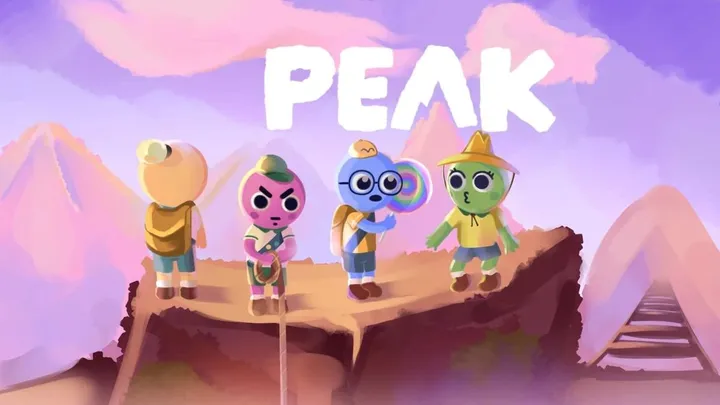






PEAK is a cooperative climbing and survival game that focuses on precision movement, stamina management, and teamwork. Rather than relying on combat or traditional progression systems, PEAK challenges players to ascend dangerous mountains using careful planning, communication, and trust between teammates. Every mistake has consequences, and every successful climb feels earned.
This guide is designed to help players understand PEAK’s core mechanics, improve climbing efficiency, and work more effectively with teammates. Whether playing solo or in co-op, these tips will help you survive longer and reach higher peaks with confidence.
1. Understanding the Core Gameplay Philosophy
Climbing Is the Core Challenge
PEAK is entirely built around climbing mechanics. Movement is deliberate, weight matters, and every handhold must be chosen carefully.
Rushing rarely leads to success. Precision and patience are far more valuable than speed.
Survival Through Decision-Making
Environmental hazards such as cold, fatigue, and limited resources force constant decisions.
Choosing when to climb, rest, or retreat defines long-term survival.
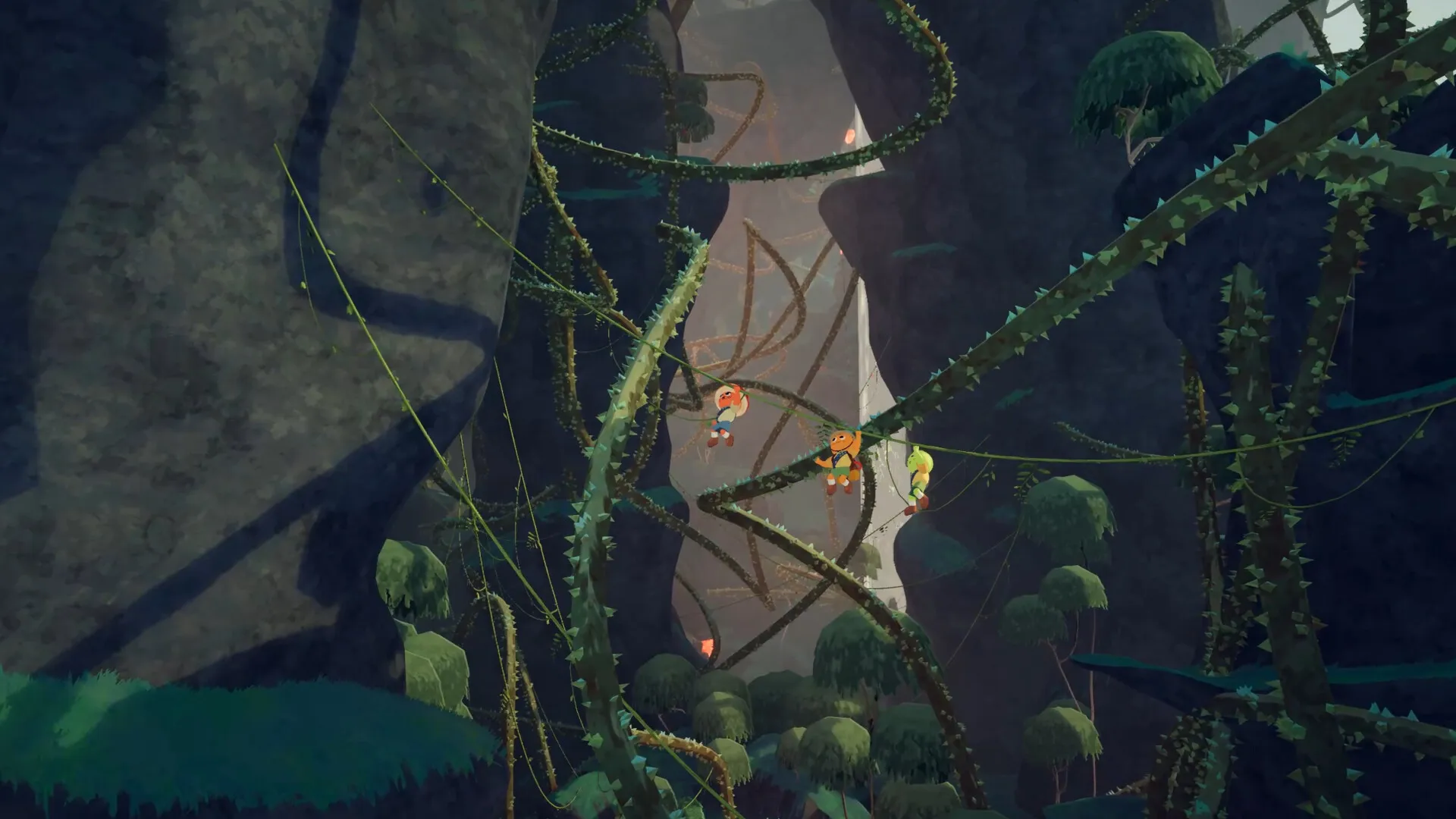
2. Learning Basic Movement and Climbing Controls
Mastering Grip and Balance
Every climb depends on grip strength and body positioning.
Poor balance drains stamina faster and increases the risk of falling.
Reading the Terrain
Not all surfaces are equally climbable.
Identifying safe handholds and stable ledges before moving reduces unnecessary risks.
3. Stamina Management and Rest Strategy
Understanding Stamina Limits
Stamina is your most important resource in PEAK.
Overextending leads to slips and falls that can undo minutes of progress.
Knowing When to Rest
Resting at safe points restores stamina and stabilizes movement.
Pushing forward while exhausted often results in failure.
4. Environmental Hazards and Weather Awareness
Dealing With Cold and Exposure
Cold environments gradually weaken characters.
Ignoring exposure drains stamina faster and reduces climbing efficiency.
Adapting to Weather Conditions
Weather affects visibility and grip.
Adjusting pace and routes based on conditions improves survival chances.
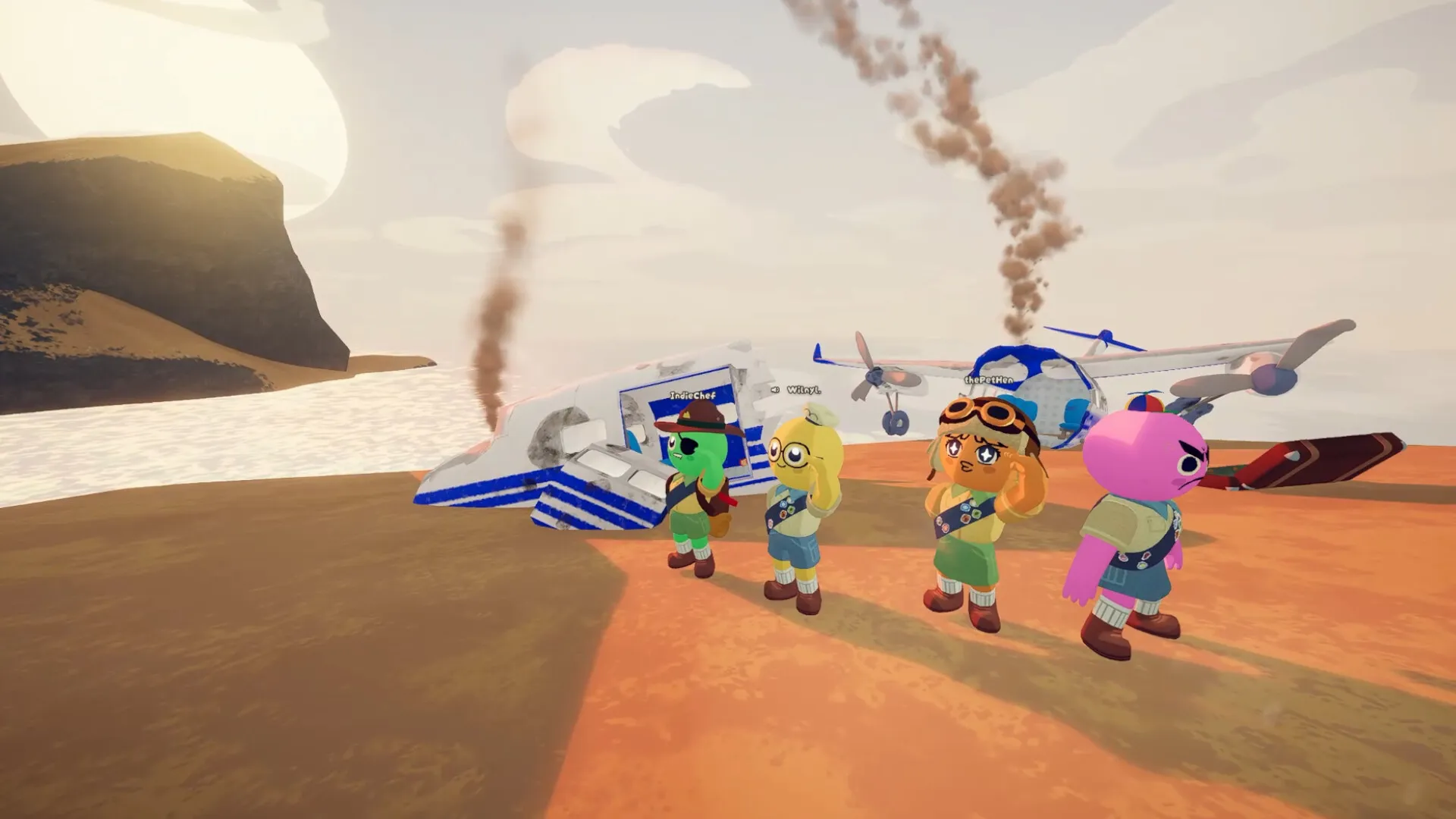
5. Route Planning and Risk Assessment
Choosing the Right Path
The shortest route is not always the safest.
Longer but more stable paths often lead to better outcomes.
Recognizing Danger Zones
Loose rocks, narrow ledges, and steep angles signal high-risk areas.
Identifying these early allows better planning and coordination.
6. Cooperative Play and Team Communication
Clear Communication Saves Lives
Calling out hazards, stamina levels, and movement intentions prevents mistakes.
Silence often leads to missteps and falls.
Supporting Teammates
Helping teammates stabilize or recover is a core part of PEAK.
Successful climbs depend on mutual support rather than individual skill alone.
7. Recovery Techniques After Mistakes
Handling Slips and Near-Falls
Small slips can be corrected with quick reactions.
Learning recovery timing prevents minor mistakes from becoming fatal.
Staying Calm Under Pressure
Panic worsens control and drains stamina faster.
Remaining calm increases the chance of regaining balance.
8. Learning From Failure and Repetition
Treating Failure as Feedback
Falls are part of the learning process.
Each failure teaches terrain patterns and movement limits.
Building Muscle Memory
Repeated climbs improve instinctive control.
Over time, movement becomes smoother and more reliable.
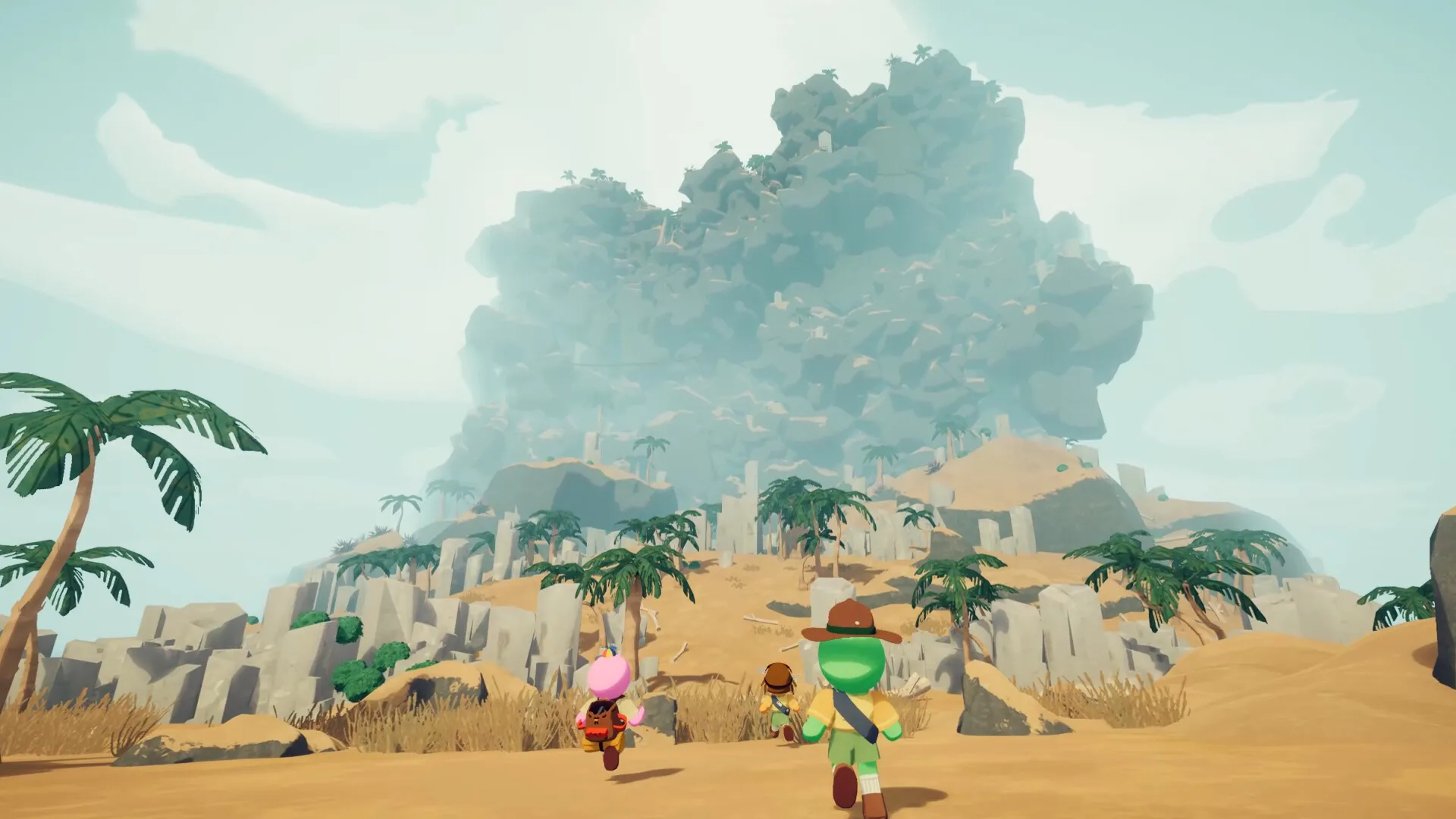
9. Advanced Climbing Techniques
Efficient Movement Patterns
Minimizing unnecessary movements conserves stamina.
Smooth transitions between holds reduce fatigue.
Synchronizing Team Movement
Coordinated climbing prevents accidental interference.
Moving one at a time in tight areas improves safety.
10. Developing a Long-Term Climber Mindset
Patience Over Progress
Progress in PEAK is slow by design.
Accepting gradual improvement reduces frustration.
Trusting Experience and Instinct
With time, players develop strong situational awareness.
Trusting learned instincts leads to better decision-making on difficult climbs.
Conclusion
PEAK is a game about trust, patience, and respect for the mountain. It rewards players who observe carefully, manage stamina wisely, and work closely with their teammates. Success is not measured by speed, but by consistency and smart decision-making.
By applying the tips and guides in this article, players can climb more safely, cooperate more effectively, and experience the true satisfaction of reaching the summit together.