





Necesse is a top-down sandbox survival game that blends exploration, base building, crafting, and combat into a cohesive experience. While it may appear simple at first glance, the game hides surprising depth in its systems, especially around settlement management, NPC progression, and world exploration. Success in Necesse depends on long-term planning rather than short-term survival alone.
This guide is designed to help new and intermediate players understand the core mechanics of Necesse, optimize early-game decisions, and transition smoothly into mid- and late-game progression. Whether playing solo or in multiplayer, these tips will help you build a sustainable and efficient world.
1. Understanding the Core Gameplay Loop
Survival and Expansion
Necesse revolves around gathering resources, crafting equipment, and expanding your settlement. Early survival quickly transitions into structured progression as you unlock new crafting stations and NPCs.
The game rewards players who think ahead instead of reacting only to immediate threats.
Exploration Drives Progress
Exploration is not optional. New islands, biomes, and bosses are essential for unlocking advanced materials.
Remaining in one area too long slows overall progression.
2. Getting Started Efficiently in the Early Game
Prioritizing Basic Tools and Weapons
Crafting basic tools and a reliable weapon should be your first goal.
Efficient gathering speeds up all future progress and reduces early frustration.
Establishing a Starter Base
Choose a safe, resource-rich location for your first base.
Early organization saves time and prevents clutter as your settlement grows.
3. Mastering Crafting and Workstations
Understanding Crafting Progression
Crafting stations unlock in tiers, each opening access to better gear and items.
Skipping upgrades leads to difficulty spikes during combat and exploration.
Keeping Stations Organized
Placing related stations close together improves workflow.
An organized crafting area reduces downtime and mistakes.
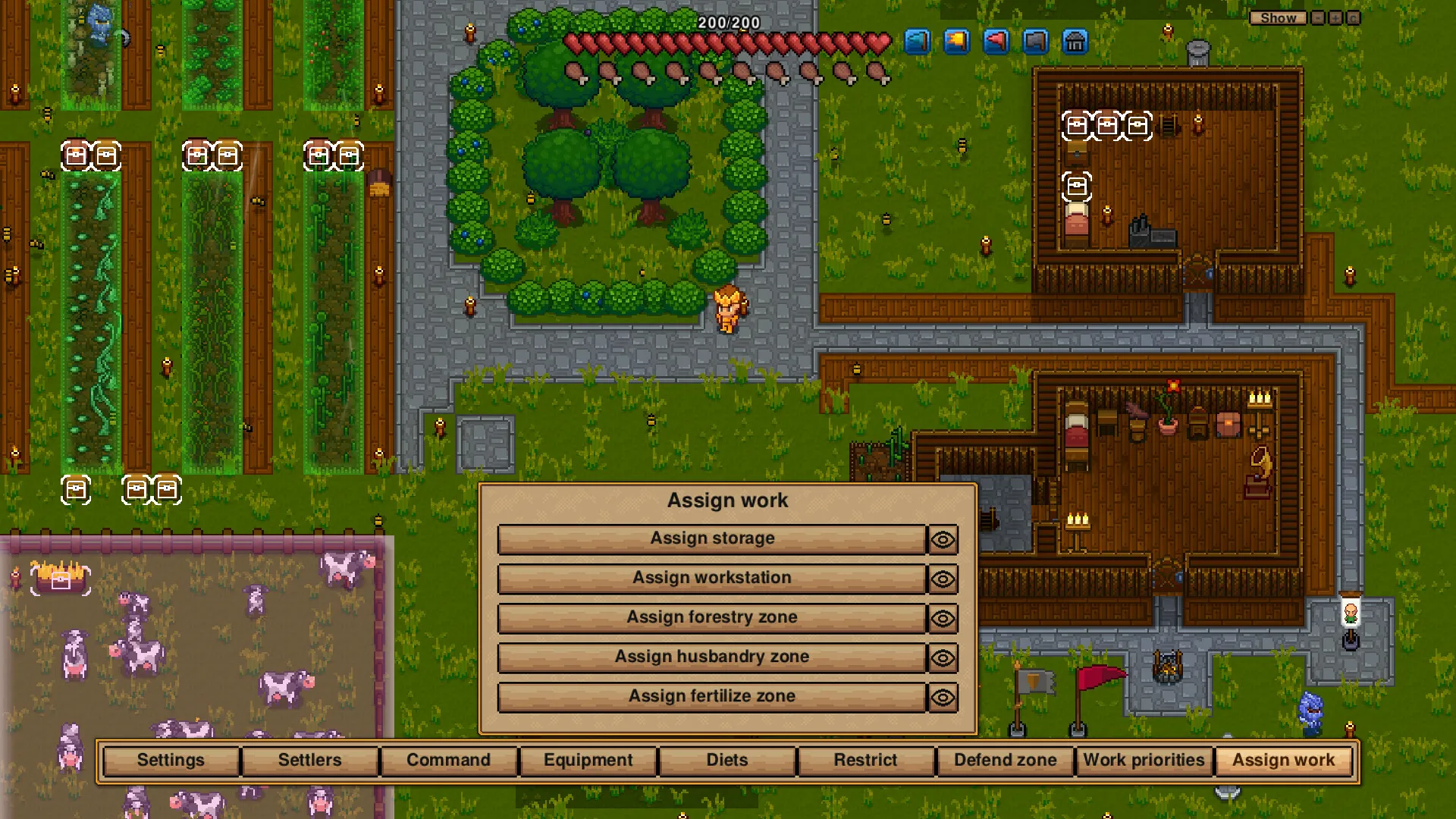
4. NPCs, Settlers, and Housing Management
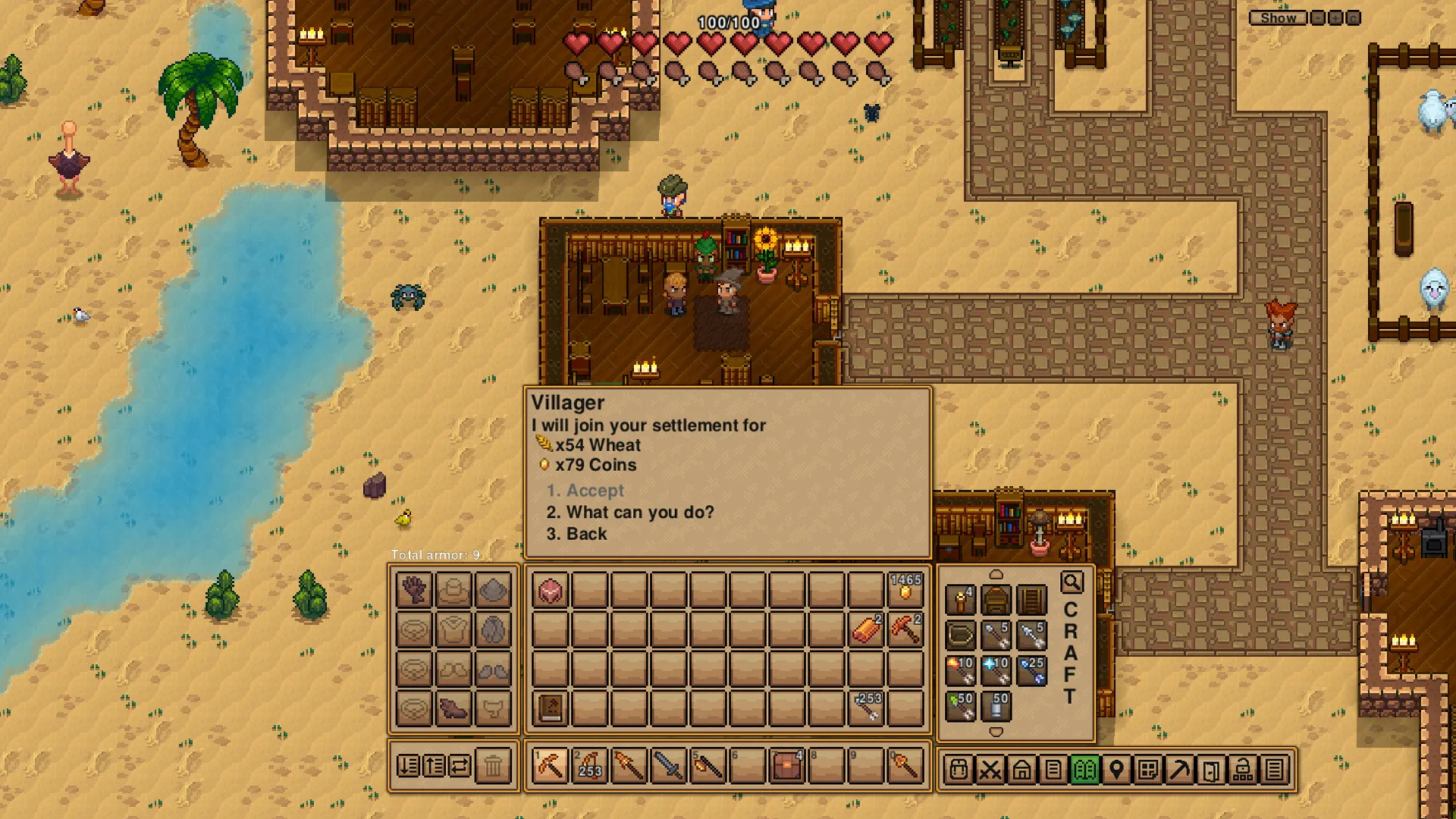
Attracting NPCs
NPCs require proper housing with specific furniture and lighting.
Meeting these requirements consistently unlocks new services and crafting options.
Assigning Roles Effectively
Each NPC provides unique benefits, such as trading, crafting, or combat support.
Placing them near relevant workstations improves efficiency.
5. Combat Basics and Enemy Awareness
Understanding Enemy Behavior
Enemies in Necesse follow predictable patterns.
Learning attack timings reduces damage taken and resource loss.
Choosing the Right Gear
Gear effectiveness varies by enemy type and biome.
Upgrading equipment before exploring new areas prevents unnecessary deaths.
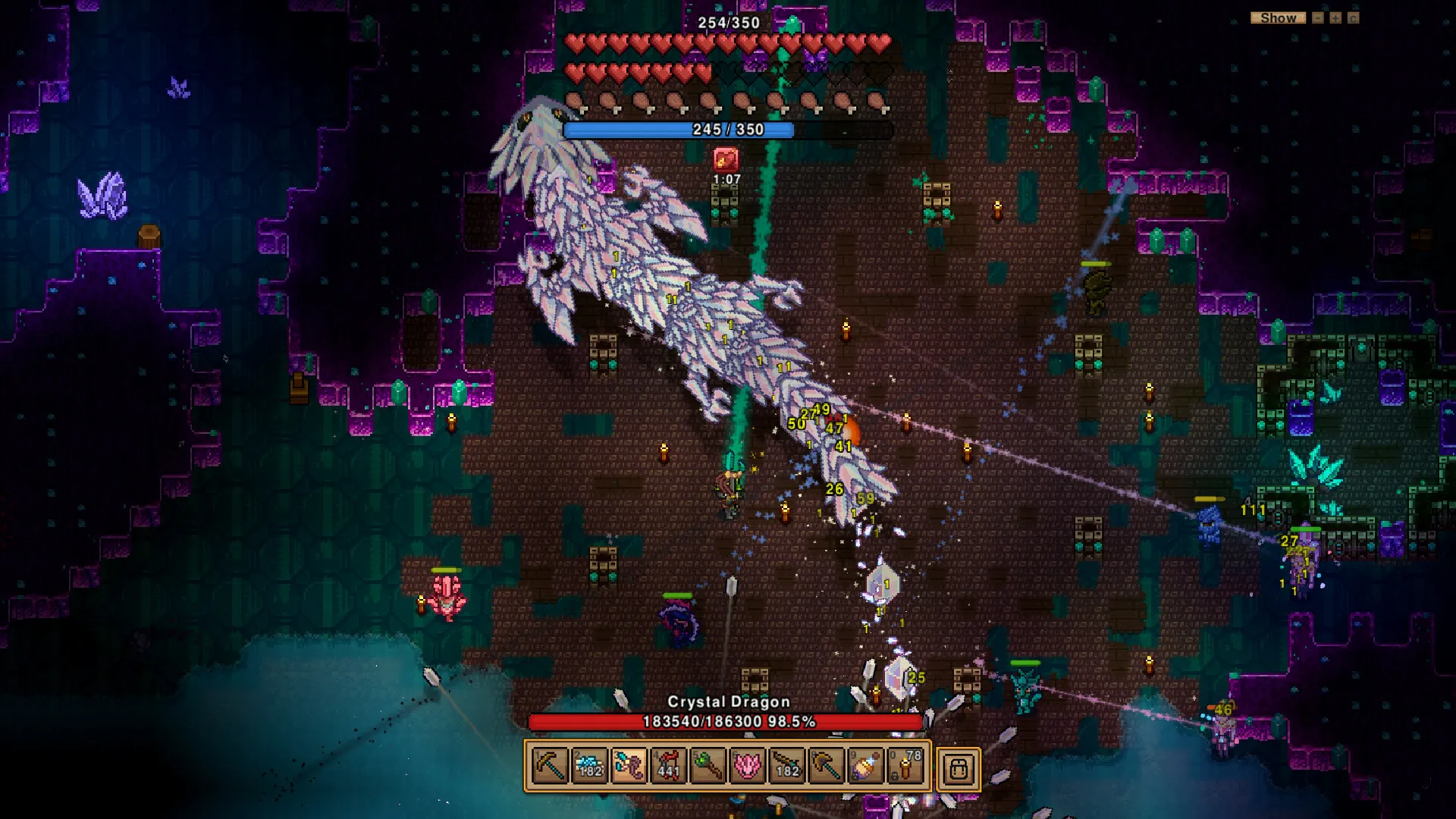
6. Boss Fights and Preparation Strategy
Preparing Before Boss Encounters
Bosses require preparation rather than brute force.
Before engaging:
- Upgrade weapons and armor
- Bring healing items
- Clear nearby enemies
Preparation dramatically increases success rates.
Learning Boss Patterns
Bosses follow consistent attack cycles.
Observing these patterns allows safe damage windows and cleaner victories.
7. Exploration and Biome Progression
Navigating the World Map
Different biomes contain unique resources and enemies.
Exploring systematically prevents missing critical materials.
Managing Travel Risk
Always prepare supplies before long journeys.
Unexpected encounters far from base can quickly turn fatal.
8. Base Defense and Settlement Safety
Protecting Against Raids
As your settlement grows, it attracts stronger enemies.
Walls, traps, and strategic layouts help protect NPCs and resources.
Designing Defensible Layouts
Avoid open layouts with multiple entry points.
Controlled access areas improve defense efficiency.
9. Resource Management and Storage
Stockpiling Essentials
Common materials should always be kept in reserve.
Running out of basics slows crafting and repairs.
Efficient Storage Systems
Labeling and grouping storage containers saves time.
Good organization becomes essential as item variety increases.
10. Long-Term Progression and Multiplayer Play
Planning for Late-Game Content
Late-game progression requires coordinated crafting, exploration, and combat.
Rushing content often leads to underprepared encounters.
Cooperative Play Advantages
Multiplayer allows role specialization and faster progression.
Team coordination significantly improves survival and efficiency.
Conclusion
Necesse offers a deep and rewarding sandbox experience that balances creativity, strategy, and survival. While the game is accessible early on, true mastery comes from understanding how crafting, NPC management, exploration, and combat systems work together.
By applying the tips and guides in this article, players can build stronger settlements, explore with confidence, and fully enjoy the long-term progression that Necesse provides.