






Wanderstop is a narrative-driven cozy game centered around a quiet tea shop located along a road traveled by wandering adventurers. Unlike traditional games that focus on combat, competition, or speed, Wanderstop invites players to slow down and experience a calm, reflective environment. The game emphasizes conversations, personal growth, and the simple ritual of brewing tea for visitors who pass through the shop.
Players step into the role of a former warrior who must adapt to a quieter life. Instead of fighting enemies, the focus shifts to understanding people, learning recipes, and creating a welcoming space for travelers. This guide explains how to approach Wanderstop effectively so you can fully appreciate its relaxed pace, emotional storytelling, and unique gameplay systems.
SECTION 1: How to Understand the Core Concept of Wanderstop
Wanderstop is built around reflection and personal change. Rather than chasing achievements or defeating enemies, players focus on everyday activities like brewing tea and talking with guests.
Understanding this core philosophy is important. The game intentionally slows players down so they can notice small details, conversations, and emotional moments that might otherwise be overlooked.
SECTION 2: How to Learn the Basics of Tea Brewing
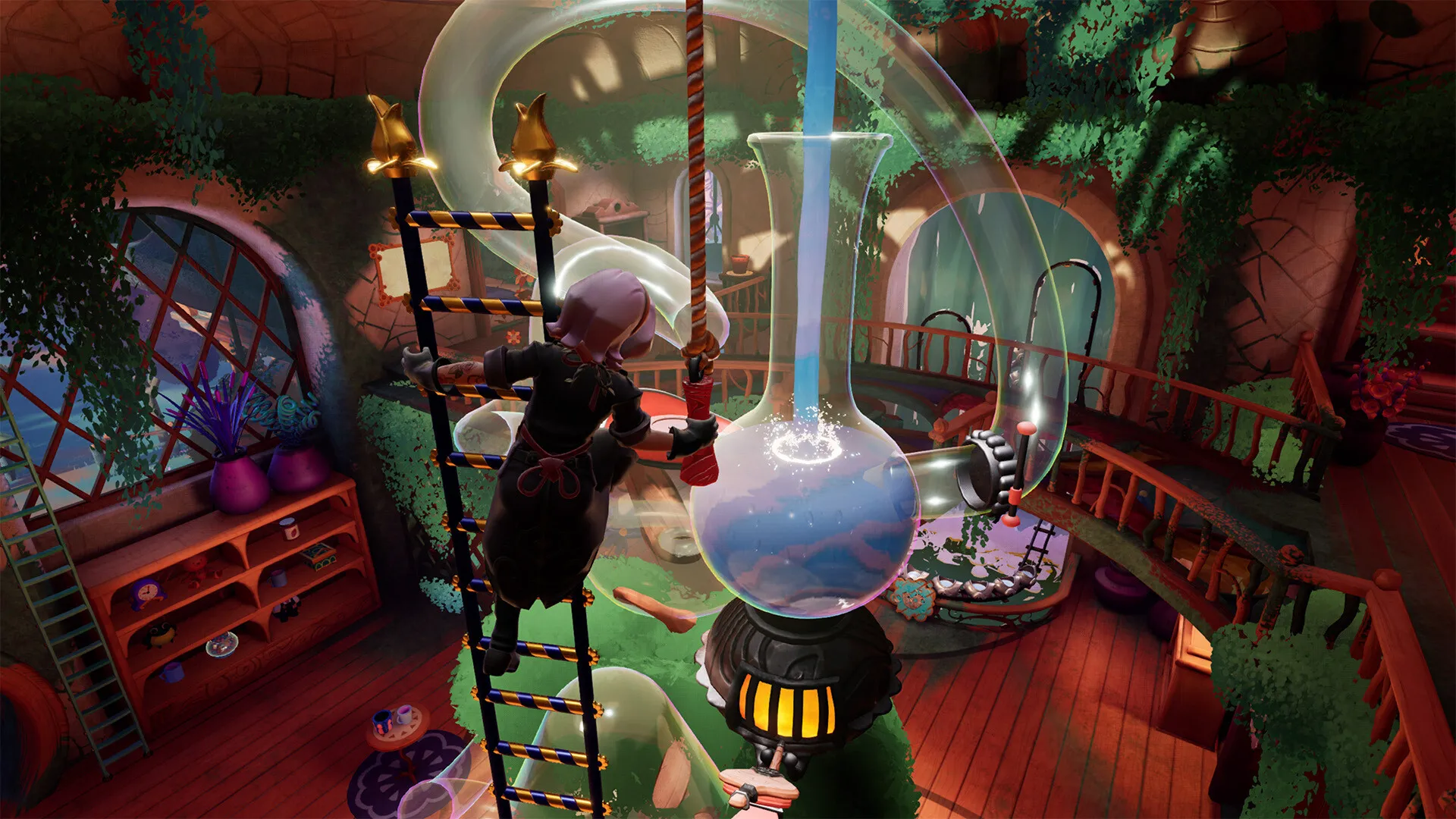
Tea brewing is the central mechanic of Wanderstop. Different ingredients combine to create unique drinks that influence how visitors feel during their stay.
Experimenting with combinations gradually reveals new recipes. Observing how characters react to different teas helps players learn which blends work best for particular situations.
SECTION 3: How to Organize and Manage the Tea Shop
Keeping the tea shop tidy and welcoming encourages visitors to relax and share their stories. Arranging furniture, maintaining supplies, and preparing ingredients ensures smooth daily operations.
A well-organized shop allows players to focus on conversations and storytelling rather than rushing to complete tasks. The peaceful atmosphere becomes part of the overall experience.
SECTION 4: How to Interact With Travelers and Guests
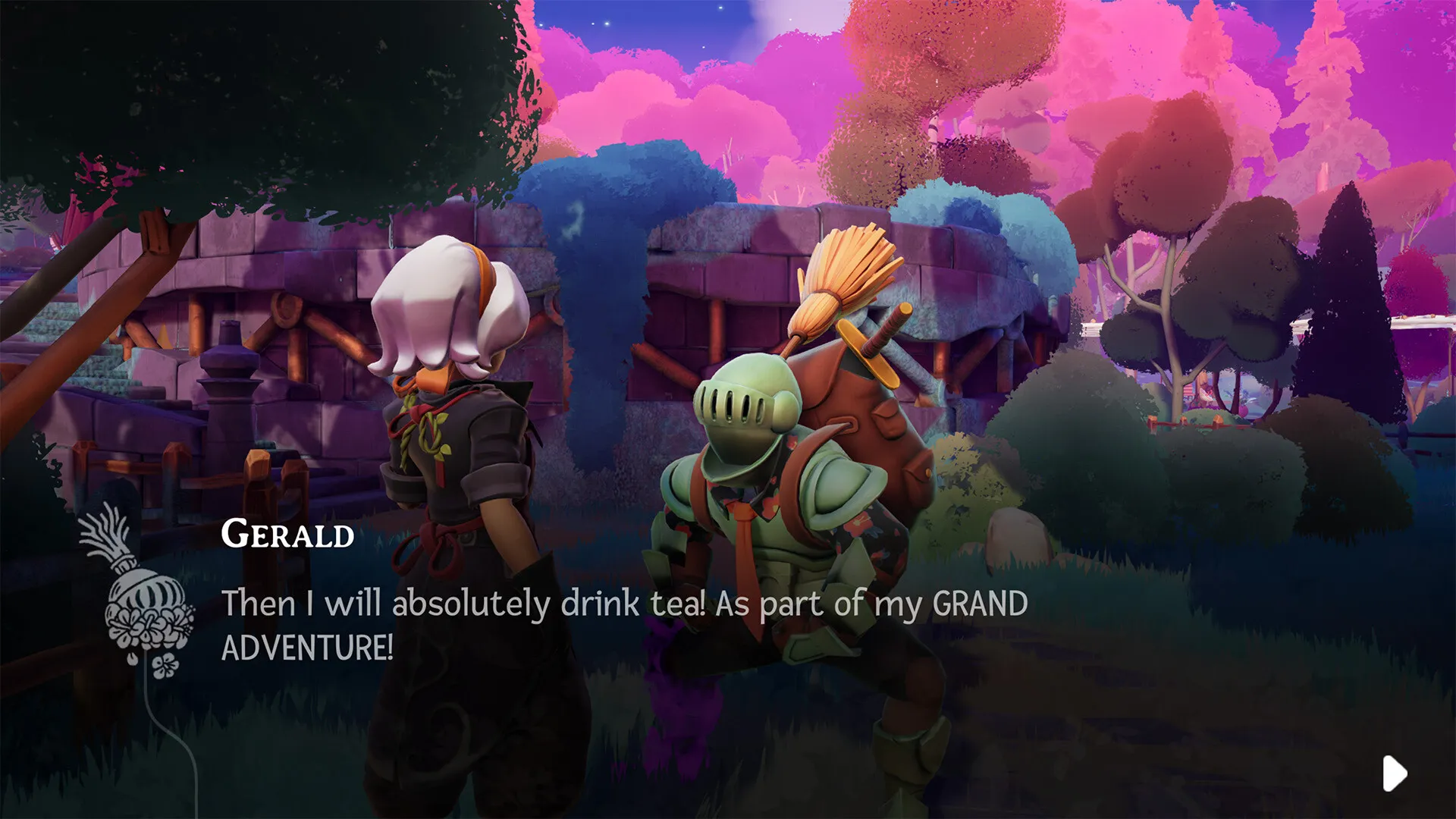
Each visitor brings a unique story, personality, and reason for traveling. Conversations often reveal emotional struggles, dreams, or reflections on their journey.
Listening carefully and responding thoughtfully deepens relationships with these characters. These interactions form the heart of Wanderstop’s narrative experience.
SECTION 5: How to Explore the Surrounding Environment
While the tea shop serves as the central location, nearby areas contain ingredients, hidden details, and small environmental stories.
Exploring these surroundings provides resources for brewing and adds context to the world beyond the shop. The environment itself contributes to the calm and reflective mood.
SECTION 6: How to Balance Work and Relaxation
Managing a tea shop involves both activity and rest. Preparing ingredients and serving drinks requires attention, but taking breaks is equally important.
Allowing moments of quiet reflection mirrors the game’s theme of personal balance. Wanderstop encourages players to pause rather than constantly pursue progress.
SECTION 7: How to Understand the Game’s Emotional Themes
Wanderstop explores themes such as burnout, identity, and healing. The protagonist’s journey from warrior to tea shop owner represents a shift from action to introspection.
Paying attention to dialogue and character reactions helps players understand these themes. The story often speaks indirectly through simple conversations and everyday moments.
SECTION 8: How to Discover New Recipes and Ingredients
New teas become available as players experiment with ingredients found in the surrounding area. Discovery often comes from curiosity rather than explicit instructions.
Trying unusual combinations can lead to surprising results. Over time, players build a personal collection of recipes suited to different visitors.
SECTION 9: How to Appreciate the Slow Gameplay Style
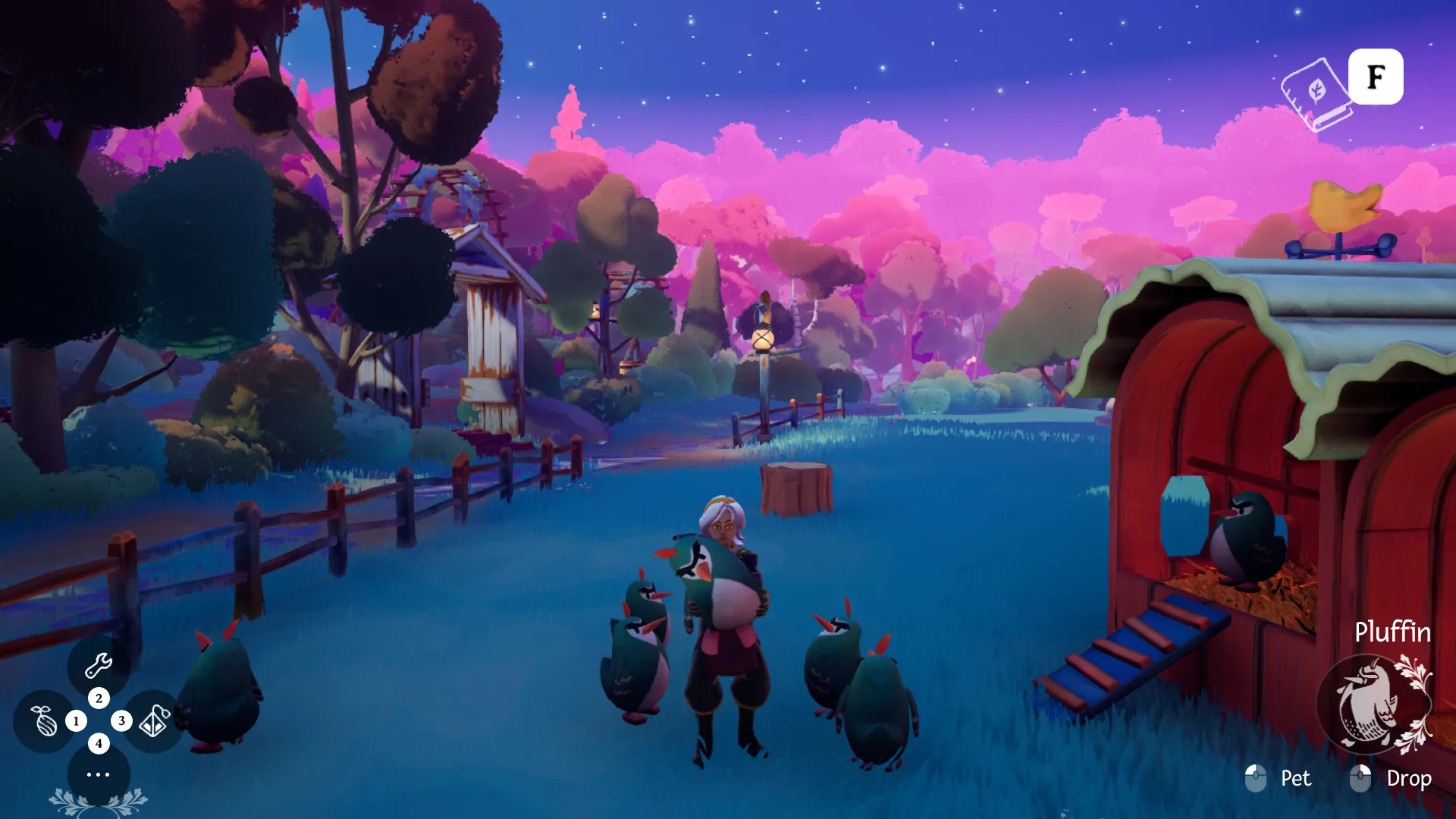
Wanderstop intentionally avoids fast-paced mechanics. The game’s slow rhythm encourages mindfulness and immersion in the environment.
Players who embrace this pacing often find the experience more meaningful. Instead of rushing toward goals, the focus becomes enjoying the moment.
SECTION 10: How to Carry the Game’s Philosophy Beyond the Screen
One of Wanderstop’s most powerful ideas is that rest and reflection are valuable. The game suggests that slowing down can lead to deeper understanding and emotional clarity.
Many players find that the calm mindset encouraged by the game carries into real life. Small routines, thoughtful conversations, and quiet moments become more meaningful.
CONCLUSION
Wanderstop offers a gentle and thoughtful gaming experience centered around hospitality, storytelling, and personal reflection. By learning how to brew tea, welcome travelers, and embrace the game’s slower pace, players can discover a relaxing journey that feels both comforting and meaningful. In a medium often driven by speed and competition, Wanderstop reminds us that sometimes the most powerful adventures happen in moments of stillness.