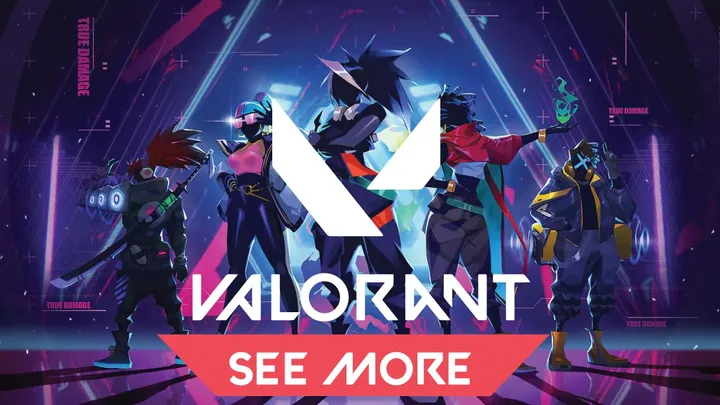







In Valorant, the competitive landscape is constantly evolving—not just because of player skill, but due to continuous updates from developers. One of the most impactful and controversial news issues in the game today is the ongoing cycle of agent balance changes and how they fundamentally reshape the meta.
Unlike static competitive games, Valorant introduces frequent adjustments to agents’ abilities, cooldowns, and overall effectiveness. These changes are not minor tweaks—they directly affect how rounds are played, how teams coordinate, and which strategies dominate ranked and professional play.
This article explores in depth how agent balance updates influence gameplay over time, how players must adapt, and why understanding these changes is essential for staying competitive. Rather than general commentary, this is a structured breakdown of how the meta evolves and what it means for players at every level.

The Role of Agent Balance in Valorant’s Competitive Ecosystem
Agent balance is the foundation of Valorant’s gameplay diversity. Each agent has unique abilities that define team composition and strategy.
When balance shifts occur, the entire ecosystem changes.
Understanding balance philosophy
Developers aim to:
• Prevent one agent from dominating
• Encourage diverse team compositions
• Maintain fairness across skill levels
Why balance updates matter
Even small changes can:
• Shift win rates
• Redefine strategies
• Change map control dynamics
Balance updates are not just adjustments—they are meta resets.
Early Meta: Dominance of Utility-Heavy Agents
In earlier stages of the game, utility-heavy agents dominated the meta. Abilities provided overwhelming control over space and engagements.
This created a slower, more methodical playstyle.
Characteristics of early meta
• Heavy reliance on smokes and flashes
• Slower round pacing
• High emphasis on coordination
Problems with this meta
While strategic, it also led to:
• Reduced individual impact
• Predictable gameplay patterns
• Limited flexibility
This prompted developers to introduce balance changes.
Shift Toward Duelist Impact and Aggressive Playstyles
As updates progressed, duelists became more influential.
This shifted the meta toward faster, more aggressive gameplay.
Key changes
• Buffs to mobility abilities
• Adjustments to entry tools
• Reduced cooldowns
Impact on gameplay
• Faster site executions
• Increased emphasis on aim
• More individual plays
This created a more dynamic but less predictable environment.
The Rise of Controller and Map Control Importance
Following aggressive meta dominance, balance updates began emphasizing controllers.
Map control became more important again.
Controller role evolution
Controllers gained:
• More flexible smoke placement
• Better utility timing
• Increased strategic value
Gameplay impact
• Slower, more calculated rounds
• Increased importance of positioning
• Stronger defensive setups
The meta shifted back toward balance between aggression and control.
Sentinel Nerfs and the Changing Defensive Meta
Sentinels once dominated defensive play.
However, multiple nerfs reduced their power.
Changes to sentinels
• Reduced trap effectiveness
• Limited information gathering
• Increased vulnerability
Effects on defense
• Less passive holding
• More active defense strategies
• Increased reliance on team coordination
Defense became more dynamic and less static.
How Balance Changes Affect Ranked vs Professional Play
Balance updates impact different skill levels differently.
Ranked play impact
• Faster adaptation to strong agents
• Popularity-driven meta shifts
• Less coordinated execution
Professional play impact
• Deep strategic adjustments
• Structured team compositions
• Slower but more refined adaptation
Key difference
Ranked players follow trends, while professionals define them.
The Influence of Map Pool Changes on Agent Balance
Agent effectiveness is closely tied to map design.
When maps rotate or change, the meta shifts again.
Map-agent relationship
• Open maps favor duelists
• Tight maps favor controllers
• Complex maps favor initiators
Impact of map rotation
• Forces players to learn new strategies
• Changes agent pick rates
• Alters team compositions
Balance is not just about agents—it’s about environment interaction.

Community Reaction to Balance Updates
Every update sparks strong reactions from the community.
Common responses
• Praise for diversity improvements
• Criticism of overpowered agents
• Frustration with frequent changes
Why reactions matter
Community feedback influences future updates.
Developers often adjust based on:
• Player data
• Feedback trends
• Competitive results
This creates a feedback loop between players and developers.
Adapting to Meta Changes as a Player
Adapting is essential for staying competitive.
Players who resist change fall behind.
Adaptation strategies
• Learn multiple agents
• Study patch notes carefully
• Adjust playstyle based on updates
Adaptation checklist
• Did my main agent get nerfed?
• What new strategies are emerging?
• How does this affect my role?
Flexibility is the key to long-term success.
The Long-Term Direction of Valorant’s Balance Philosophy
Looking forward, balance updates will continue shaping the game.
Future trends
• More frequent small adjustments
• Increased focus on fairness
• Greater emphasis on role diversity
Potential developments
• New agent roles
• Expanded ability interactions
• More dynamic gameplay systems
The game is evolving into a more complex and balanced competitive experience.
How Meta Evolution Changes Player Skill Requirements
As the meta evolves, so do the skills required to succeed.
Old skill priorities
• Mechanical aim
• Basic positioning
New skill priorities
• Adaptability
• Game sense
• Strategic thinking
Players must evolve alongside the game.

Conclusion
Agent balance changes are one of the most influential forces shaping Valorant’s competitive environment. From early utility-heavy metas to aggressive duelist dominance and the resurgence of strategic control, each update redefines how the game is played. These changes affect not only professional teams but also everyday ranked players, forcing constant adaptation and learning. Understanding the impact of balance updates allows players to stay ahead of the meta, make smarter decisions, and maintain consistent performance. As Valorant continues to evolve, mastering adaptation will become just as important as mastering mechanics.