The Psychological Terrors of The Outlast Trials: Exploring Cooperative Gameplay and Fear Mechanics

The Outlast Trials has made a significant impact in the survival horror genre, introducing players to a terrifying world filled with psychological and physical threats. As a cooperative multiplayer game set in the infamous Outlast universe, it combines the series' hallmark terror with unique gameplay mechanics that emphasize teamwork, survival, and psychological horror. However, a core issue arises: balancing the cooperative aspect with the individual player experience. This article will delve into the ramifications of this challenge, exploring how The Outlast Trials navigates cooperative gameplay dynamics while maintaining the franchise's terrifying ethos.
The Legacy of Outlast
Before examining The Outlast Trials, it's essential to establish the foundation laid by its predecessors, Outlast and Outlast 2. Both games have been celebrated for their chilling narratives, atmospheric sound design, and relentless tension that keeps players on edge.
Building a Dark World
The original Outlast, released in 2013, introduced players to the terrifying Mount Massive Asylum, where they assume the role of investigative journalist Miles Upshur. The game focuses on stealth and avoiding enemies, as players have no weapons to fight back. This non-combative approach heightens anxiety, forcing players to rely on their wits and stealth.
Psychological Horror Elements
The psychological horror elements, such as jump scares, unsettling visuals, and disorienting sounds, create an immersive experience that stays with players long after they finish. The series challenges not only the player's skills but also their mental fortitude, making each playthrough a uniquely harrowing experience.
Evolution into The Outlast Trials
Building on this legacy, The Outlast Trials shifts the gameplay formula by introducing cooperative elements while still retaining the core themes of horror and fear. This new iteration takes place during the Cold War, where players participate in experiments orchestrated by the Murkoff Corporation. The cooperative aspect enables players to tackle challenges together, adding a new layer of camaraderie amidst the pervasive fear.
The Appeal of Cooperative Gameplay
One of the most significant draws of The Outlast Trials is the cooperative experience. Players can join friends or other players online, working collaboratively to survive the horrific trials set before them. While this enhances gameplay dynamics, it also introduces challenges unique to multiplayer environments.
Strength in Numbers
Cooperative gameplay allows players to rely on each other for support, creating a sense of community. This camaraderie can bolster players' confidence, making them feel empowered as they confront the nightmarish creatures lurking in the shadows.
Shared Experiences
Playing with friends can lead to more shared experiences, heightening the enjoyment of facing fears together. Laughing at the absurdity of a jump scare or deciphering how to escape from an overwhelming situation can forge lasting connections among players.
The Challenge of Communication
However, the cooperative angle also hinges on effective communication between players. Successfully coordinating actions during tense moments is crucial for survival, and poor communication can lead to disastrous outcomes.
Common Pitfalls
- Misunderstandings: Players may misinterpret instructions or fail to understand what others intend to do, leading to chaos.
- Distraction: The high-stress environment can make maintaining focus difficult, causing players to become oblivious to team dynamics.
- Uneven Skill Levels: Varying levels of experience among players can stifle teamwork. Veteran players might take on most of the responsibility, alienating newer teammates.
The Balance Between Cooperation and Isolation
While cooperation is a central gameplay mechanic, The Outlast Trials walks a fine line between collaborative dynamics and maintaining the individual horror experience that the series is known for. The tension created by the game’s setting can be inherently isolating, even in a team scenario.
The Nature of Fear in a Group Setting
Fear is often amplified in isolation, which poses a dilemma in a cooperative format. The game must find a way to keep individual players feeling vulnerable while still allowing them to rely on their teammates. This balance is crucial for maintaining the series' identity amid multiplayer gameplay.
Psychological Isolation
Players can remain isolated emotionally even in a group. Each character has individual traumas and backstories that complicate the shared experience. This inner turmoil can lead to feelings of helplessness, counteracting the benefits of teamwork.
Tactical Approaches to Cooperation
The game encourages players to adopt different roles, adding depth to the cooperative experience. Different characters can have unique abilities or attributes that contribute to the team's success. Maximizing these strengths while fostering individual fears introduces new strategic dimensions.
Roles within the Team
- Scouts: Players who explore ahead to gather information on enemy placements, alerting teammates to potential threats.
- Support: Those who manage resources and offer assistance, ensuring everyone stays alive throughout the trials.
- Frontline: Aggressive players who directly confront threats, drawing enemies away from vulnerable teammates.
Psychological Horror: A Cohesive Experience
While The Outlast Trials showcases cooperative gameplay, it doesn't shy away from the psychological horror elements that define the franchise. The game effectively integrates fear mechanics into the multiplayer experience, creating a tense atmosphere.
Heightened Tension
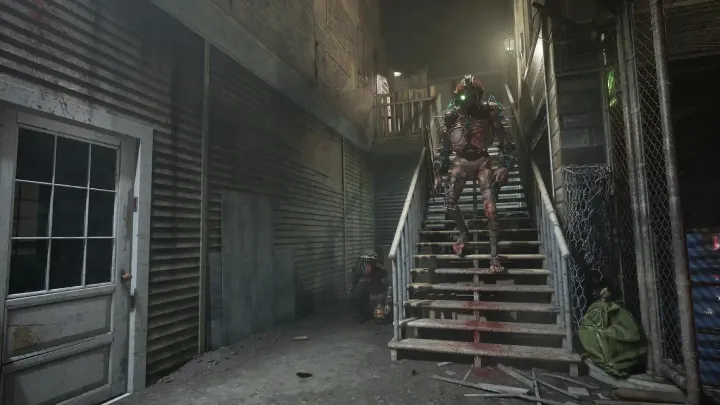
Tension is palpable, with players needing to navigate the treacherous environments filled with dark shadows and sudden sounds. The moment-to-moment gameplay keeps players on edge, regardless of whether they are playing solo or in a group.
Shadows and Screams
The effective use of light and shadow creates a constantly looming sense of dread. Players may hear sounds that suggest enemies are near, causing adrenaline to spike even when no immediate danger seems present.
Building Fear through Environment
The environments are intricately designed to foster an atmosphere of dread. The visuals and soundscape play a crucial role in creating suspense, even in cooperative scenarios.
Elements of Fear Design
- Sound Design: The audio in The Outlast Trials enhances the feeling of paranoia. Footsteps, distant screams, and the ambient sounds of the environment keep players hyper-aware.
- Environmental Cues: Subtle signs such as flickering lights or moving shadows can signal danger, prompting players to be alert, even when they are together.
The Impact of Player Choices
The Outlast Trials incorporates an array of player choices that can impact the gameplay experience. Decisions made during trials may influence the outcome, creating a personal connection to the gameplay.
Agency within Cooperation
Despite the cooperative aspects, players retain a sense of individual agency. Players can chose how to approach situations, which can lead to divergent outcomes within the group, adding complexity to the teamwork dynamic.
The Conflict of Interests
However, conflicts can emerge when individual choices contradict the collective team's objectives. When players prioritize personal survival over team success, tensions can arise, affecting communication and overall performance.
Decision-Making Under Pressure
The adrenaline-fueled environment leads to split-second decisions, forcing players to weigh risks against potential rewards. This dynamic can enhance the psychological horror as choices become critical to survival.
Examples of Choices
- Deciding to Help Others: Players must choose whether to assist fallen teammates or escape danger themselves.
- Resource Allocation: The scarcity of resources can lead to disagreements over how to distribute healing items or tools.
Game Mechanics: Innovations and Limitations
The Outlast Trials introduces several gameplay mechanics that set it apart from traditional solo survival horror games. However, these innovations come with their limitations.
New Gameplay Features
With the shift towards cooperative gameplay, developers introduced mechanics that enable more dynamic interactions between players. These elements significantly alter the horror experience.
Escape Mechanics
The introduction of mechanics that allow players to escape or evade danger contributes to the tension. However, there are limits to how often players can rely on these tactics before they become predictable.
Cooperative Dynamics
The game also includes systems that enable players to revive each other, emphasizing the importance of teamwork. This feature, while beneficial, can diminish the weight of fear if players can easily recover from danger.
Balancing Tension and Recovery
Striking a balance between cooperative recovery and maintaining tension is essential. If players can easily return from peril, the fear factor may diminish, leading to a less effective horror experience.
Community Engagement and Player Feedback
As The Outlast Trials continues to evolve, the community's input plays a crucial role in shaping the future of the game. Listening to player feedback can inform developers of the issues that need addressing.
Engaging with the Fan Base
The developers' ongoing engagement with the community allows players to express their thoughts on gameplay mechanics and horror elements. This feedback loop can help identify areas for improvement and refinement.
Addressing Concerns
Community discussions can highlight critical areas where players feel the game could enhance the cooperative experience or individual thrill, providing valuable insights for future updates or expansions.
The Role of Content Updates
Frequent content updates can address community feedback while introducing new features that keep the game fresh. This can include adding new trials, expanding on character backstories, or refining cooperative mechanics.
List of Suggested Updates
- New Trial Environments: Introducing varied settings to refresh gameplay experiences.
- Expanded Character Abilities: Adding more unique skills for each character to promote diverse gameplay styles.
- Enhanced Communication Tools: Implementing better communication features can assist cooperative play.
Conclusion
The Outlast Trials has forged a distinct path in the survival horror genre by combining strategic cooperative gameplay with their signature psychological terror. However, balancing the cooperative experience with individual player feelings of isolation and fear has proven challenging. The game successfully offers moments of camaraderie, but it must strive to maintain a sense of personal vulnerability that has defined the Outlast franchise. As the game continues to evolve through community engagement and content updates, there remain opportunities to enhance player experience, ensuring that The Outlast Trials resonates deeply in the hearts of horror enthusiasts.