





Poppy Playtime is a breakout hot game in the indie horror genre, blending puzzle-solving, atmospheric storytelling, and relentless tension into a uniquely disturbing experience. Set inside an abandoned toy factory, the game invites players to uncover dark secrets hidden behind cheerful mascots and colorful hallways. As players explore deeper, they must learn how to survive encounters with living toys that were never meant to move on their own.
Since its release, Poppy Playtime has become a cultural phenomenon across streaming platforms and social media. Its memorable characters, eerie sound design, and unsettling lore have turned it into one of the most discussed horror games of recent years. This article explores the full journey of Poppy Playtime, from first steps inside the factory to mastering its psychological terror.
1. Introduction to Poppy Playtime and Its Popularity
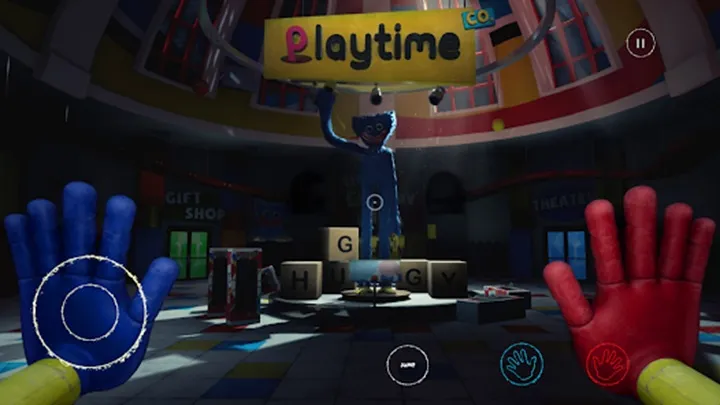
Poppy Playtime begins with a simple premise: you are a former employee returning to an abandoned toy factory years after everyone mysteriously disappeared. What starts as curiosity quickly turns into fear as you realize you are not alone.
The reason Poppy Playtime became a hot game lies in its contrast between childlike visuals and terrifying undertones
Players are drawn in not just by fear, but by mystery. Learning how to uncover the truth behind the factory keeps players engaged far beyond the jump scares.
2. How to Start Playing Poppy Playtime
Starting Poppy Playtime requires attention and patience. Unlike action-heavy horror games, survival depends on observation, timing, and problem-solving rather than combat.
Players quickly learn how to interact with the environment using the GrabPack, a tool that allows them to pull levers, grab distant objects, and power machinery. Understanding its mechanics early is essential for progress.
Beginner tips:
- Explore every room carefully
- Read notes and watch VHS tapes
- Listen closely to environmental sounds
Every detail contributes to survival and story progression.
3. Core Gameplay Mechanics Explained
At its core, Poppy Playtime focuses on exploration and puzzles rather than fighting. Players cannot defeat enemies directly, which forces them to think creatively when danger appears.
Learning how to solve puzzles under pressure is part of the horror. Power shortages, locked doors, and broken systems require players to navigate complex factory layouts while being hunted.
Key mechanics include:
- Environmental puzzle-solving
- Stealth and evasion
- Timing-based interactions
These systems work together to maintain constant tension.
4. The GrabPack and Environmental Interaction
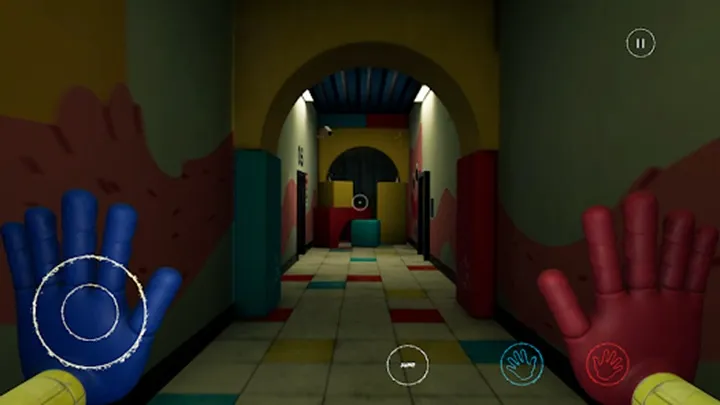
The GrabPack is the most important tool in Poppy Playtime. It allows players to manipulate the environment in ways that feel both empowering and vulnerable.
Knowing how to use the GrabPack efficiently can mean the difference between escape and capture. Players must pull switches, conduct electricity, and interact with distant mechanisms while remaining alert.
Common GrabPack uses:
- Activating generators
- Pulling objects from unsafe areas
- Solving color-based power puzzles
Mastery of this tool defines player progression.
5. How to Survive the Factory’s Monsters
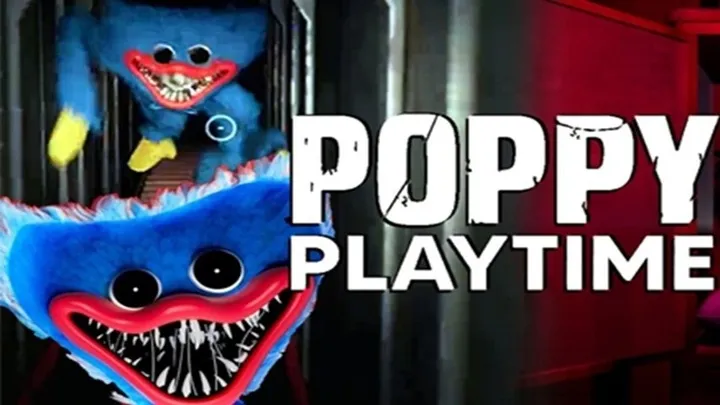
The enemies in Poppy Playtime are iconic and terrifying. Characters like Huggy Wuggy embody the game’s twisted charm—friendly in appearance, deadly in behavior.
Survival depends on knowing how to avoid confrontation. Running blindly often leads to failure, while observation and patience create opportunities to escape.
Survival strategies:
- Memorize escape routes
- Use sound cues to track enemies
- Never assume an area is safe
The monsters are always closer than they seem.
6. Puzzle Design That Makes Poppy Playtime a Hot Game
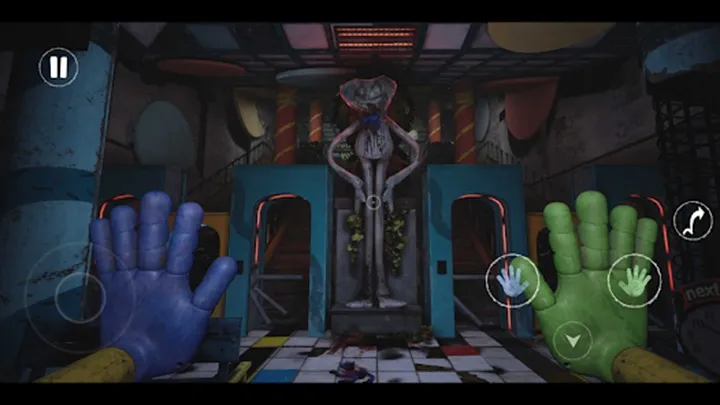
One reason Poppy Playtime remains a hot game is its clever puzzle design. Puzzles are integrated naturally into the environment rather than feeling artificial or repetitive.
Players must learn how to think logically while under psychological stress. The fear of being chased turns simple tasks into nerve-wracking challenges.
Puzzle characteristics:
- Color-coded power systems
- Timing-based obstacles
- Multi-room logic sequences
This balance of fear and intellect keeps gameplay engaging.
7. Storytelling and Environmental Lore
The story of Poppy Playtime is told indirectly through notes, recordings, and environmental clues. There are no long cutscenes explaining everything, which encourages player interpretation.
Understanding how to piece together the narrative reveals disturbing experiments, unethical practices, and tragic outcomes hidden beneath the factory’s cheerful branding.
Lore themes include:
- Corporate greed
- Human experimentation
- Loss of identity
These elements elevate the game beyond simple horror.
8. How to Handle Fear and Tension While Playing
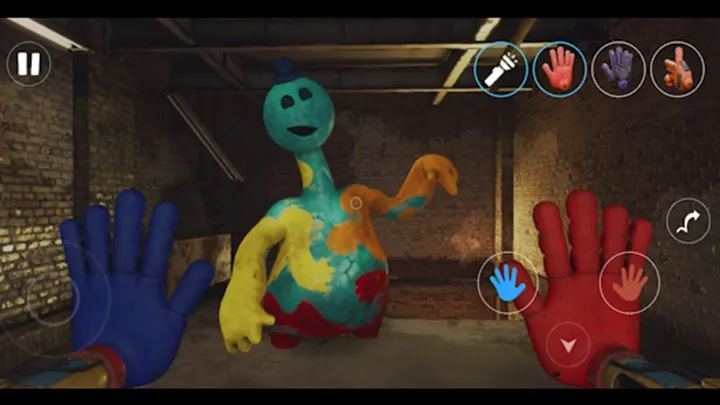
Fear management is a skill in Poppy Playtime. The game uses silence, sudden noises, and visual tricks to keep players constantly uneasy.
Learning how to remain calm improves decision-making. Panicking leads to missed clues and poor movement choices.
Ways to manage fear:
- Pause and listen before moving
- Control breathing during chase sequences
- Take breaks between intense sections
Mental control is as important as puzzle-solving.
9. Community Impact and Streaming Culture
Poppy Playtime gained massive attention through YouTube and Twitch. Streamers amplified its scares, lore theories, and hidden secrets, fueling its popularity as a hot game.
The community actively discusses theories, analyzes symbols, and debates character origins. Learning how to engage with the community adds depth to the experience.
Community activities:
- Lore analysis videos
- Fan art and animations
- Theory discussions
This engagement keeps the game relevant long after release.
10. Long-Term Appeal and Future Potential
The lasting appeal of Poppy Playtime lies in its expandable universe. New chapters introduce fresh locations, characters, and unanswered questions.
Players who learn how to adapt to new mechanics and evolving threats continue to enjoy the game as it grows. Each update deepens the horror and expands the lore.
Reasons for long-term success:
- Memorable character design
- Ongoing story development
- Strong emotional impact
The game continues to evolve with its audience.
Conclusion: Why Poppy Playtime Still Matters
Poppy Playtime stands out as a hot game because it combines unsettling horror with intelligent design and compelling storytelling. By focusing on atmosphere, puzzles, and psychological tension, it delivers a memorable experience that lingers long after gameplay ends. Understanding how to survive, explore, and interpret its world allows players to fully appreciate the depth behind its colorful terror.