How to Master NARAKA: BLADEPOINT – A Complete How-To Guide From Beginner Survival to High-Rank Domination
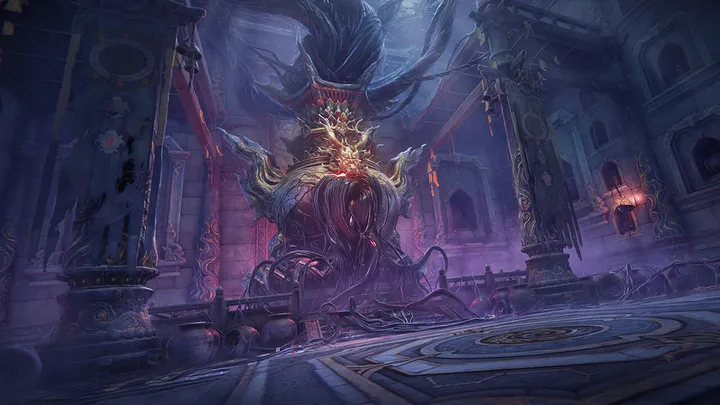
NARAKA: BLADEPOINT is not a traditional battle royale. Instead of guns and random shooting, it focuses on melee combat, movement mastery, martial arts-inspired abilities, and deep mind games between players. Victory is determined less by luck and more by timing, positioning, weapon knowledge, and psychological pressure. Players who treat NARAKA like a shooter often struggle, while those who learn its combat language thrive.
This guide explains how to play NARAKA: BLADEPOINT effectively, starting from your first match and progressing toward ranked, high-level play. The structure follows a natural learning curve, helping you build solid fundamentals before advancing into complex mechanics and competitive strategies.
H2 1. How to Understand the Core Combat Philosophy
NARAKA’s combat revolves around a three-way interaction: normal attacks, charged attacks, and counters. This creates a constant rock–paper–scissors dynamic where reading your opponent is more important than raw execution.
New players often focus on spamming attacks, but this leads to easy punishment. Instead, learn to pause, observe, and react. Combat in NARAKA rewards patience, not aggression.
H3 The Combat Triangle
Normal attacks beat counters, counters beat charged attacks, charged attacks beat normal attacks.
H4 Early Combat Mindset
Slow down and watch enemy behavior before committing.
H2 2. How to Choose a Hero That Fits Your Playstyle
Each hero in NARAKA has unique abilities that shape how they fight, escape, and pressure enemies. Some heroes excel at duels, others dominate team fights, and some specialize in mobility and survival.
Early success comes from choosing a hero whose kit feels intuitive. Mastery of one hero is far more valuable than shallow knowledge of many.
H3 Hero Role Types
- Duelists: strong 1v1 pressure
- Controllers: crowd control and zoning
- Survivors: escape and sustain
H4 Beginner Tip
Stick to one hero until muscle memory forms.
H2 3. How to Move Efficiently Across the Map
Movement is one of NARAKA’s biggest skill differentiators. Wall running, grappling, sliding, and vertical positioning allow skilled players to disengage or engage at will.
Learning movement early drastically increases survival. Good movement avoids fights you cannot win and creates advantages before combat even begins.
H3 Movement Mechanics to Practice
- Grapple cancels
- Wall climbs and jumps
- Sliding into attacks
H4 Movement Discipline
Never move in straight lines during fights.
H2 4. How to Loot and Gear Up Intelligently
Looting in NARAKA is fast but dangerous. Standing still too long invites ambushes. The goal is to gear efficiently, not perfectly.
Weapons have distinct strengths, and rarity matters less than familiarity. A weapon you know well outperforms a legendary you don’t understand.
H3 Weapon Categories
- Blades: balanced and versatile
- Heavy weapons: high damage, slow
- Ranged weapons: pressure and finishers
H4 Looting Priorities
Weapon familiarity > armor level > souljades.
H2 5. How to Use Souljades and Builds Effectively
Souljades define your build. They enhance damage, survivability, and utility, shaping how your character performs.
Instead of stacking random bonuses, aim for synergy. Complement your hero’s abilities and weapon choice rather than forcing mismatched stats.
H3 Build Focus Examples
- Aggressive burst damage
- Sustained survivability
- Mobility and disengage
H4 Avoid Common Mistakes
Too many passive bonuses dilute effectiveness.
H2 6. How to Win Melee Duels Consistently
Duels are mental battles. Feints, delayed attacks, and spacing matter more than combos. Skilled players bait counters and punish mistakes calmly.
Learning when not to attack is a crucial skill. Overcommitting is the fastest way to lose a duel.
H3 Duel Fundamentals
- Control distance
- Vary attack timing
- Use vertical space
H4 Duel Discipline
Reset the fight if momentum turns against you.
H2 7. How to Use Abilities at the Right Moment
Hero abilities can decide fights instantly—but only when used correctly. Wasting abilities early leaves you vulnerable later.
Think of abilities as tempo tools rather than panic buttons. Proper timing creates openings rather than reacting to mistakes.
H3 Ability Timing
Save ultimates for confirmed engagements.
H4 Ability Awareness
Track enemy cooldowns mentally.
H2 8. How to Survive Mid-Game and Avoid Third Parties
Mid-game is where most players die. Multiple teams rotate, and careless fights attract unwanted attention.
Pick fights carefully and disengage immediately after victory. Healing and repositioning matter more than chasing kills.
H3 Mid-Game Survival Rules
- Never linger after a fight
- Heal before looting fully
H4 Awareness Tip
Listen for grapples and footsteps constantly.

H2 9. How to Handle Final Circles and Endgame Pressure
Endgame NARAKA is about restraint. The final zones punish impatience and reward positioning.
Let other teams fight when possible. Enter combat only when you have a clear advantage or guaranteed finish.
H3 Endgame Strategy
Control high ground and vision.
H4 Mental Control
Stay calm—panic ruins execution.
H2 10. How to Improve Long-Term and Climb Ranked
Improvement in NARAKA comes from reflection. Every loss teaches spacing, timing, or positioning lessons.
Focus on consistency rather than flashy plays. High-rank players win through reliability, not risk.
H3 Training Habits
- Practice duels regularly
- Review lost fights
H4 Veteran Mindset
Predict, don’t react.
NARAKA: BLADEPOINT is a game of mastery, not chance. Those who succeed learn to control movement, read opponents, manage abilities, and choose battles wisely. By understanding its combat philosophy, refining your mechanics, and developing a disciplined mindset, you can progress from surviving matches to dominating them. True mastery comes not from speed, but from control, patience, and precision.