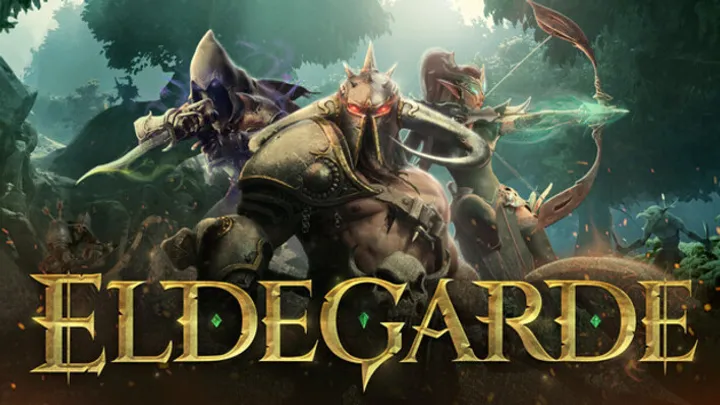
Eldegarde: The Reconstruction of Fantasy Kingdoms Through Strategy and Survival
Introduction
Eldegarde presents a fantasy world shaped by collapse, uncertainty, and reconstruction. Rather than focusing entirely on heroic battles or linear quests, the game builds its identity around kingdom management, exploration, and survival within a fragile political landscape.
Set in a world recovering from devastation, Eldegarde emphasizes the tension between expansion and stability. Players are not simply warriors moving through a fantasy environment; they become rulers responsible for rebuilding settlements, maintaining resources, and navigating conflict between rival powers.
This approach transforms the traditional fantasy formula into a broader simulation of leadership and survival. The world is dangerous not only because of monsters or war, but because every decision can influence the long-term future of an entire civilization.
1. A World Defined by Collapse and Recovery
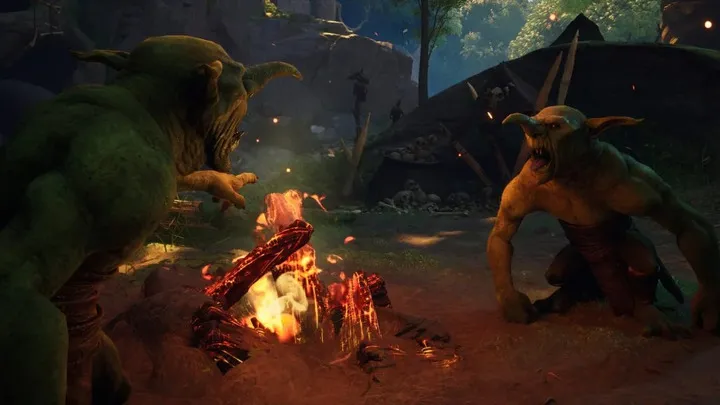
The setting of Eldegarde is shaped by the aftermath of destruction. Ancient kingdoms have fallen, trade routes have fractured, and isolated settlements struggle to survive in hostile territories.
This atmosphere of decline influences every aspect of the game. Ruins scattered across the landscape serve as reminders of former civilizations, while abandoned fortresses and damaged infrastructure reinforce the idea that the world is still rebuilding.
Rather than presenting a stable fantasy kingdom, the game begins with instability. Players are introduced to a society attempting to recover rather than one already thriving.
2. Kingdom Management as the Central Mechanic
At the heart of Eldegarde lies its kingdom management system. Players oversee settlements that require food, protection, labor, and infrastructure to function effectively.
Growth is gradual and requires careful planning. Expanding too quickly can strain resources, while excessive caution may leave the kingdom vulnerable to external threats. Every construction project represents a strategic choice tied to long-term survival.
This system shifts the focus away from individual heroism and toward collective stability. Success is measured not only by military victories but by the ability to sustain and strengthen society over time.
3. Resource Scarcity and Economic Pressure
Resources in Eldegarde are intentionally limited, creating continuous economic tension. Wood, stone, food, and metal are essential for development, yet acquiring them often exposes the player to danger or conflict.
Trade routes become valuable because self-sufficiency is difficult to maintain. However, relying too heavily on trade introduces vulnerability, especially if rival factions disrupt transportation or diplomacy fails.
The economy therefore functions as more than a background system. It actively shapes expansion, defense, and political strategy throughout the game.
4. Exploration and the Unknown Frontier
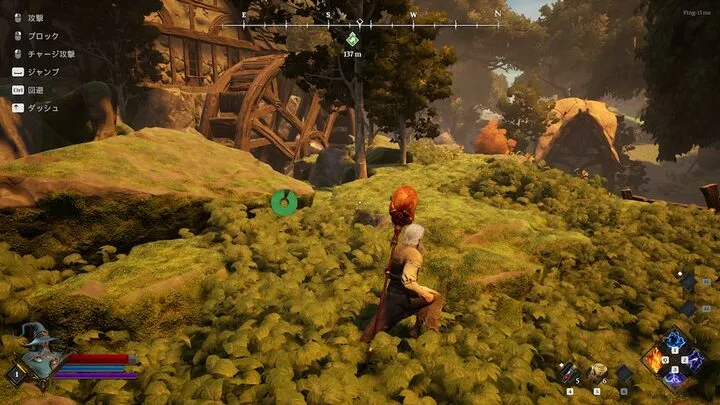
Exploration is a major component of progression. Beyond the safety of settlements lies a vast frontier filled with ruins, hostile territories, and hidden opportunities.
The game rewards exploration not only with resources but also with knowledge. Discovering ancient structures or forgotten regions often reveals fragments of lore that explain the world’s collapse and political history.
However, exploration carries significant risk. Dangerous creatures, environmental hazards, and rival factions make every expedition uncertain. This uncertainty transforms discovery into a meaningful strategic decision rather than a routine activity.
5. Political Conflict and Faction Dynamics
Eldegarde’s world is populated by multiple factions competing for influence and survival. Some prioritize military expansion, while others depend on diplomacy or economic control.
Players must navigate these relationships carefully. Forming alliances may provide security and trade opportunities, but political agreements can also create long-term obligations and tensions.
Conflict is rarely isolated. A war between factions can affect trade networks, territorial stability, and resource access across the entire region. This interconnectedness gives political decisions lasting consequences.
6. Combat Systems and Tactical Warfare
Although kingdom management is central, combat remains an important aspect of the game. Battles are structured around tactical positioning, unit coordination, and terrain awareness rather than pure aggression.
Different unit types serve specific battlefield roles, requiring players to think strategically about army composition and movement. Terrain influences combat effectiveness, meaning that location can be just as important as numerical strength.
The game avoids portraying warfare as glorious or effortless. Battles are costly, and victory often comes with economic or political consequences that extend beyond the battlefield itself.
7. The Role of Architecture and Settlement Identity
Settlement construction in Eldegarde serves both functional and symbolic purposes. Buildings determine production capabilities, defensive strength, and population growth, but they also shape the visual identity of the kingdom.
As settlements expand, they begin reflecting the priorities of the player. A heavily fortified city communicates fear of invasion, while a trade-focused settlement reflects economic ambition.
This relationship between architecture and identity adds depth to progression. The kingdom becomes a visible representation of strategic philosophy rather than a collection of random structures.
8. Environmental Pressure and Seasonal Survival
The environment itself functions as an active challenge. Seasonal changes influence food production, travel conditions, and military campaigns.
Winter may reduce agricultural output and slow movement across the map, forcing players to prepare resources in advance. Harsh weather can weaken armies or isolate settlements from trade routes.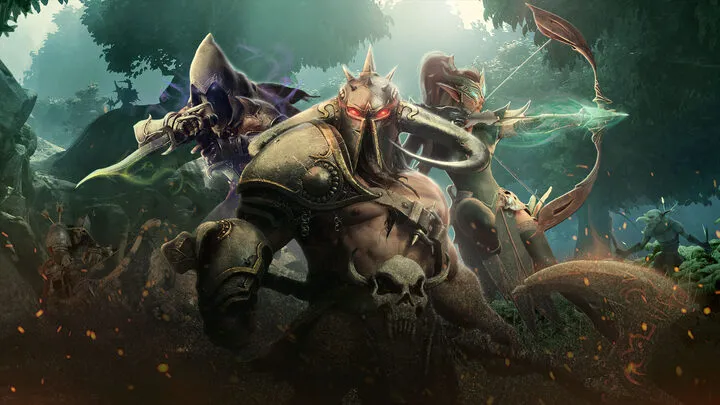
These systems reinforce the idea that survival depends on planning rather than reaction. The player must anticipate future difficulties instead of responding only after problems emerge.
9. Leadership and Moral Responsibility
One of Eldegarde’s most compelling themes is leadership responsibility. Players are constantly forced to make decisions that balance survival against morality.
Protecting the kingdom may require harsh taxation, forced labor, or military sacrifices. Supporting one faction could destabilize another region. There are rarely perfect solutions, only compromises shaped by circumstance.
This moral ambiguity gives the game emotional weight. Leadership is portrayed not as power alone but as the burden of making decisions under pressure.
10. The Appeal of Strategic Fantasy Reconstruction
Eldegarde distinguishes itself from many fantasy games by focusing on reconstruction instead of conquest alone. The game is less about becoming an unstoppable hero and more about guiding a fragile society toward stability.
This perspective changes the meaning of progression. Building roads, securing food supplies, and protecting civilians become just as important as defeating enemies. The fantasy world feels grounded because survival and governance remain constant concerns.
The appeal lies in watching a broken kingdom gradually transform into a functioning civilization shaped by player decisions.
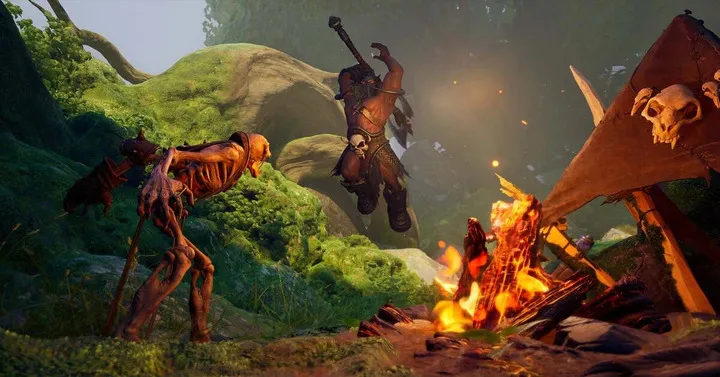
Conclusion
Eldegarde combines fantasy world-building with strategic management and survival systems to create a complex experience centered on reconstruction and leadership. Through its focus on resource scarcity, political conflict, exploration, and kingdom development, the game presents a world where every decision carries long-term consequences. Rather than emphasizing individual heroism alone, it explores the challenges of guiding an entire society through instability and recovery. By balancing tactical warfare with economic and moral pressures, Eldegarde offers a fantasy experience rooted in strategy, responsibility, and the difficult process of rebuilding civilization.